Full Grain Leather vs Top Grain Leather: Which Should You Choose?

Key Takeaway
- Full grain leather is the better pick if you want natural texture, long wear, and a jacket that develops character.
- Top grain leather suits buyers who prefer a smoother, cleaner, and easier-to-wear jacket from day one.
- The main difference between full grain and top grain leather is how much of the natural surface remains.
- A good jacket depends on more than leather grade. Hide type, tanning, thickness, lining, and stitching matter too.
- Choose full grain leather or top grain leather based on how you actually wear jackets, not just the label.
A leather jacket can cost hundreds of dollars and still age badly if you choose the wrong leather for your lifestyle. That is why full grain leather vs top grain leather is not just a technical comparison. It is a buying decision that affects comfort, appearance, durability, and long-term value.
For jacket lovers, the real question is simple: do you want a jacket that looks cleaner right away, or one that slowly builds personality with every crease, scratch, and season?
What Full Grain Leather Really Means
Full grain leather uses the top layer of the hide without sanding away its natural surface. The pores, grain marks, wrinkles, and small scars remain visible.

That sounds imperfect, but this is exactly why many leather fans love it. A full grain jacket does not look like every other jacket on the rack. It carries the natural story of the hide.
Because the grain stays intact, full grain leather usually has strong surface fibers. It can handle regular wear well, especially in jackets made from cowhide, buffalo hide, or horsehide.
The trade-off is break-in time. A new full grain jacket may feel firm at first. After a few weeks or months, it starts shaping around your shoulders, elbows, and chest.
What Top Grain Leather Really Means
Top grain leather also comes from the upper part of the hide, but the surface is lightly sanded, buffed, or corrected. This removes visible marks and creates a smoother finish.

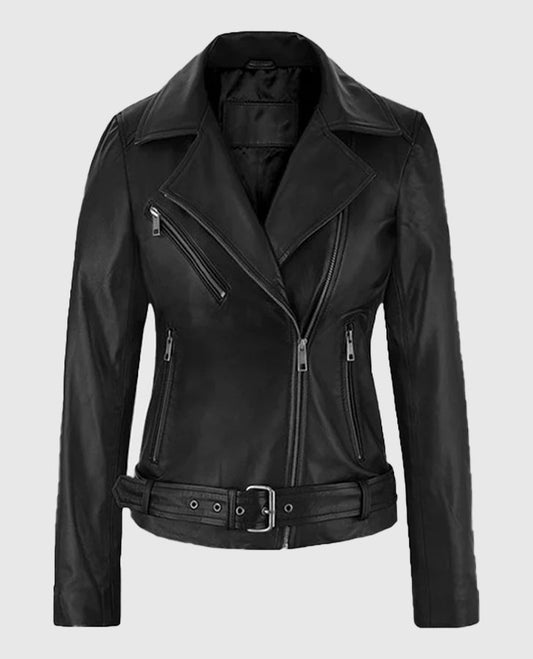
That correction gives top grain leather a cleaner look. If you like sleek cafe racer jackets, slim bombers, or polished everyday outerwear, top grain can make sense.
It often feels softer earlier than full grain. Many top grain jackets also have a protective finish, which helps with light moisture, stains, and surface marks.
But the correction process changes how the leather ages. It may not develop the same deep patina as full grain. Instead, it tends to keep a neater, more controlled appearance.
The Difference Between Full Grain and Top Grain Leather
The difference between full grain and top grain leather comes down to the surface.

Full grain keeps the hide’s natural grain. Top grain has that surface refined for smoothness and consistency.
Here is the practical difference for jacket buyers:
- Full grain: more natural, tougher surface, richer patina, longer break-in.
- Top grain: smoother look, softer start, cleaner finish, usually more uniform.
- Full grain: better for rugged and heritage jackets.
- Top grain: better for polished, modern, and dressier jackets.
Neither choice is automatically wrong. A badly made full grain jacket can disappoint. A well-made top grain jacket can last for years.
Which Leather Ages Better?
Full grain leather usually ages better if you like visible character. It darkens, softens, and develops a patina that feels personal.
Think of an old brown biker jacket with darker sleeves, creased elbows, and a soft shine near the zipper. That look usually comes from leather that has kept more of its natural grain.
Top grain leather ages in a quieter way. It may stay smoother and more even, especially if it has a finished surface. That can be a benefit if you want your jacket to look tidy after years of wear.
So the better choice depends on your taste. If you want character, pick full grain. If you want consistency, top grain may fit better.
Which Leather Is More Comfortable?
Top grain leather often feels more comfortable at the start. It bends more easily and usually needs less break-in.
This matters if you want a jacket for commuting, casual nights out, or regular city wear. You can wear it without feeling like you are fighting the leather.
Full grain leather needs more patience. At first, it may feel stiff around the shoulders or elbows. But once it breaks in, the fit can feel more personal than top grain.
For jacket lovers who enjoy the process, that break-in period is part of the reward.
Real-World Example: Two Jacket Buyers
Imagine two buyers looking at leather jackets.

The first buyer wants a rugged black biker jacket for weekend rides, long walks, and cold-weather layering. He does not mind creases or scratches. In fact, he wants the jacket to look better with age. Full grain cowhide would likely suit him well.
The second buyer wants a clean brown leather jacket for dinners, office commutes, and travel. He wants something soft, easy to style, and smooth enough to wear with chinos or boots. A good top grain jacket may be the smarter choice.
Both buyers can make a good decision. They just need different leather.
How to Choose Full Grain Leather or Top Grain Leather
Before buying, ask yourself how you plan to wear the jacket.
Choose Full Grain Leather If you:
- Want a jacket that develops strong patina.
- Like natural grain, marks, and texture.
- Prefer rugged styles like biker, trucker, field, or heritage jackets.
- Do not mind a longer break-in period.
- Want long-term durability and character.
Choose Top Grain Leather If you:
- Prefer a smooth, polished jacket.
- Want softer comfort from the first few wears.
- Like cafe racer, bomber, or minimalist styles.
- Want fewer visible marks on the surface.
- Need a jacket that looks neat in casual and semi-dressy settings.
If you are stuck between full grain leather or top grain leather, think about your closet. If most of your clothes are rugged, textured, and vintage-inspired, full grain will feel natural. If your style is clean, fitted, and modern, top grain may match better.
Do Not Ignore Hide Type and Construction
Leather grade is only one part of jacket quality.
A full grain lambskin jacket will not feel or perform like a full grain cowhide jacket. Lambskin is soft and light. Cowhide is firmer and more protective. Buffalo hide often feels thicker and more textured.
Also check the construction. Look at the stitching, zipper quality, lining, sleeve finish, pocket placement, and panel matching. A jacket with weak seams will not become better just because the leather label sounds premium.
Good brands explain the leather clearly. Be cautious if a product page only says “genuine leather” without details about grain, hide type, or tanning.
Quick Buyer Checklist
Before you buy, check these details:
- Does the product page clearly say full grain or top grain?
- What animal hide is used?
- Is the leather thick enough for your climate and use?
- Are the seams straight and reinforced?
- Does the jacket use quality hardware?
- Will the fit allow light layering?
- Does the brand explain care instructions?
This checklist helps you avoid buying based on one phrase alone.
Care Tips for Both Leather Types
Full grain and top grain leather both need basic care.

Keep your jacket away from long exposure to direct heat. Do not dry it near a heater if it gets wet. Use a wide hanger so the shoulders keep their shape.
Wipe dust with a soft cloth. Condition only when the leather starts to feel dry. Too much conditioner can make leather heavy, sticky, or dull.
For top grain jackets, avoid harsh cleaners because they can damage the finish. For full grain jackets, accept small marks as part of the aging process.
Final Verdict for Jacket Lovers
The best choice in full grain leather vs top grain leather depends on what you want your jacket to become.
Choose full grain if you want strength, patina, and a jacket that tells a story over time. It is the better choice for rugged wear and long-term character.
Choose top grain if you want a smoother look, easier comfort, and a more polished finish. It is a strong choice for everyday style, travel, and cleaner outfits.
A great leather jacket should not just look good in photos. It should fit your life, your wardrobe, and the way you like leather to age.
Choose the Jacket That Fits Your Style
Before you buy, picture the jacket after two years of real wear. Will you enjoy scratches, creases, and patina? Or will you prefer a smooth jacket that stays cleaner and more refined?
That answer will guide you better than any label. Pick the leather that matches your habits, and you will reach for the jacket more often.
FAQ
Is full grain leather better than top grain leather?
Full grain leather is better for natural texture, patina, and long-term durability. Top grain leather is better for a smoother look, softer feel, and cleaner style.
What is the main difference between full grain and top grain leather?
The main difference is surface treatment. Full grain keeps the natural surface of the hide, while top grain is sanded or corrected for a smoother finish.
Is top grain leather good for jackets?
Yes, top grain leather is good for jackets when the hide, tanning, stitching, and hardware are high quality. It works especially well for polished and modern jacket styles.
Should I buy full grain leather or top grain leather?
Buy full grain leather if you want rugged aging and patina. Buy top grain leather if you want a smoother jacket that feels comfortable faster.
Does full grain leather scratch easily?
Full grain leather can show scratches because the natural surface remains visible. Many jacket lovers like this because scratches blend into the patina over time.