Best Leather Jackets for Snow and Cold Weather

The best leather jackets for snow and cold weather combine a durable leather exterior with effective insulation, a comfortable fit, and features that help block wind and moisture. For mild winter conditions, a quilted leather bomber or insulated biker jacket can provide enough protection. For freezing temperatures and extended outdoor use, a shearling-lined leather jacket offers substantially more insulation.
Leather itself helps block wind, but the material alone does not determine how warm a jacket will be. The lining, leather weight, collar, cuffs, closure system, and room for winter layers all affect cold-weather performance.
This guide explains which leather jackets work best for snow, freezing temperatures, winter travel, and everyday cold-weather wear.
Key Takeaways
-
Shearling leather jackets are among the best choices for very cold and snowy conditions because the wool lining provides natural insulation.
-
Quilted and insulated leather jackets work well for cold winter days when you want warmth without the bulk of a heavy winter coat.
-
Leather bombers and bikers can perform well in winter when they have warm linings and enough room for layering.
-
Look for high collars, secure cuffs, wind-resistant closures, and quality leather when choosing a winter jacket.
-
Explore our Winter Leather Jackets collection for cold-weather styles designed around warmth, comfort, and timeless style.
What Makes a Leather Jacket Suitable for Snow and Cold Weather?
Not every leather jacket works well in freezing conditions. A lightweight fashion jacket may protect you from wind but provide little insulation.

A winter-ready leather jacket should combine several features.
Insulated Lining
The lining plays a major role in determining warmth. Quilted, wool, fleece, and shearling linings can trap warm air and provide additional insulation.
Shearling has a particular advantage because the wool remains attached to the sheepskin, creating a natural insulating layer inside the jacket.
Wind Protection
Leather naturally provides a strong barrier against wind. Features such as storm flaps, high collars, ribbed cuffs, and secure zippers can further reduce cold air entering the jacket.
Room for Layering
A winter jacket should allow you to wear a thermal shirt or sweater underneath without restricting movement.
A slightly relaxed fit can work better for cold weather than an extremely slim silhouette because it gives you room to build insulating layers.
Durable Construction
Winter conditions can expose a jacket to moisture, dirt, snow, and repeated use. Strong stitching, reliable hardware, and quality leather help the jacket handle everyday wear.
1. Shearling Leather Jackets
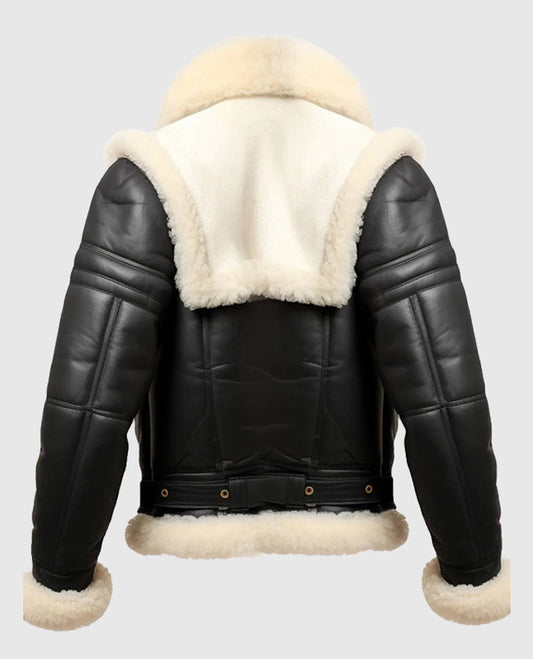
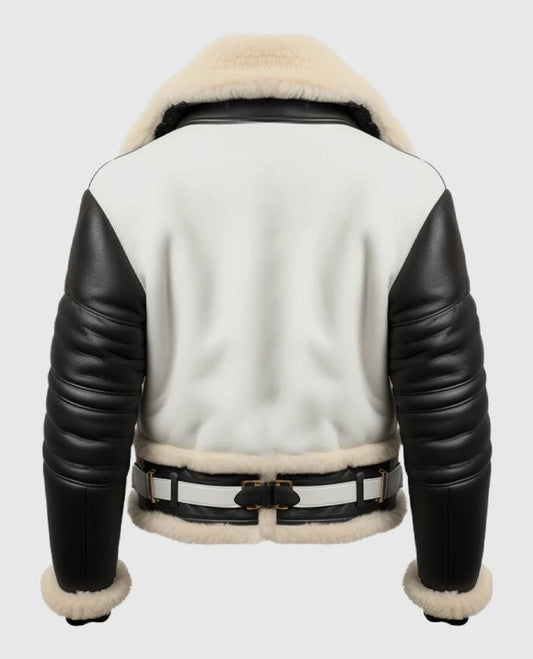
If warmth is your top priority, shearling leather jackets are one of the strongest choices for cold weather.
Shearling combines a leather outer surface with natural wool insulation. The wool traps warm air close to your body while the leather exterior helps block wind.
This combination makes shearling particularly suitable for:
-
Freezing temperatures
-
Snowy conditions
-
Cold commutes
-
Winter travel
-
Extended outdoor use
Shearling jackets also offer a distinctive winter appearance. Their natural texture gives outfits a premium look while providing practical insulation.
For maximum cold-weather protection, explore our Men's Shearling Leather Jackets collection for styles designed to combine warmth with timeless leather craftsmanship.
2. Quilted Leather Jackets
A quilted leather jacket provides a strong balance between warmth and versatility.
The quilted interior adds insulation without requiring the heavy construction of a full shearling jacket.
These jackets work particularly well for:
-
Everyday winter wear
-
Urban commutes
-
Weekend activities
-
Travel
-
Mild to cold winter conditions
A quilted leather jacket also gives you more flexibility when temperatures change. You can wear it over a T-shirt during milder conditions or add a sweater when temperatures fall.
3. Leather Bomber Jackets
Leather bomber jackets remain one of the most practical choices for everyday winter outfits.
Their classic construction often includes:
-
Ribbed cuffs
-
Ribbed waistband
-
Front zipper
-
Comfortable fit
-
Insulated interior options
The ribbed cuffs and waistband help reduce gaps where cold air can enter.
For moderate winter conditions, layer a leather bomber over a thermal shirt and wool sweater. Finish the outfit with jeans and leather boots.
Explore our Leather Bomber Jackets collection if you want a versatile winter jacket that works across casual and smart casual wardrobes.
4. Winter Biker Leather Jackets
Biker jackets offer strong wind protection and a rugged appearance, but not every biker jacket is designed for freezing weather.
For winter, look for:
-
Quilted lining
-
Warm interior
-
High collar
-
Secure cuffs
-
Heavy-duty leather
-
Reliable front closure
A winter-ready biker jacket works especially well for motorcycle riders and men who prefer a rugged everyday style.
Layer it with a thermal shirt and medium-weight sweater for additional warmth.
Our Biker Leather Jackets collection includes classic motorcycle-inspired styles that can become part of a practical winter wardrobe.
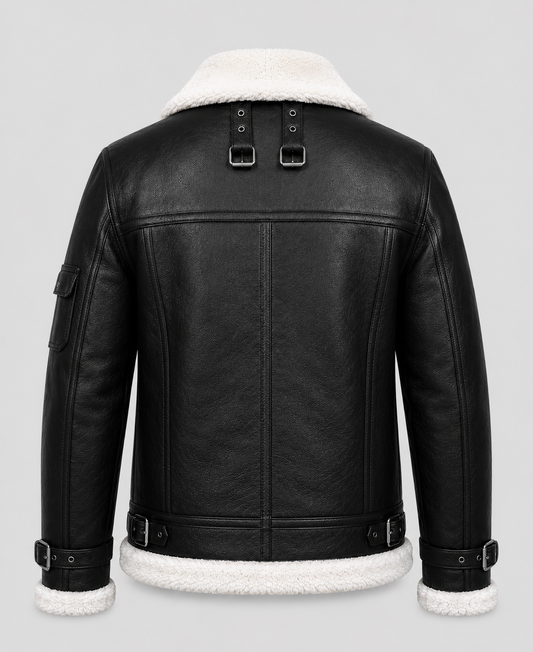
5. Shearling-Lined Bomber Jackets
A shearling-lined bomber combines the familiar shape of a bomber jacket with the insulation of a warm interior.
This style works particularly well when you want:
-
Maximum warmth
-
Shorter jacket length
-
Easy movement
-
Casual styling
-
A distinctive winter appearance
Pair a shearling bomber with dark denim, a knit sweater, and leather boots for a practical cold-weather outfit.
6. Leather Aviator Jackets
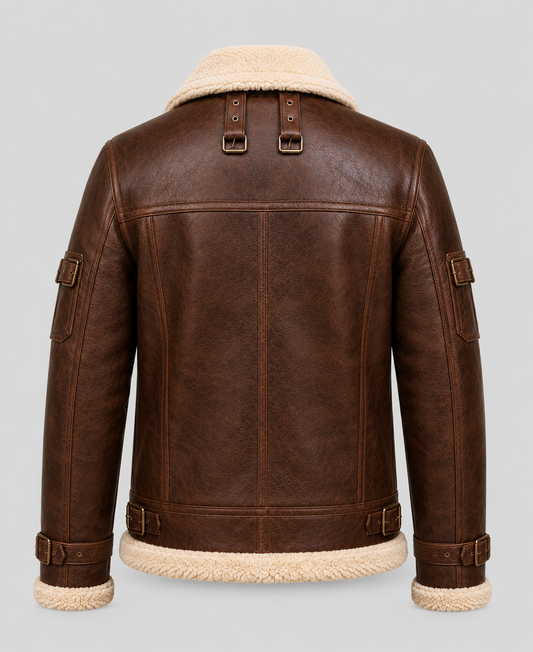
Aviator-inspired leather jackets are another strong choice for cold weather, especially when they feature a shearling collar and insulated interior.
The traditional design emphasizes warmth and protection around the upper body and neck.
Aviator jackets pair naturally with:
-
Turtlenecks
-
Wool sweaters
-
Dark denim
-
Leather boots
-
Wool scarves
They also provide a distinctive alternative to conventional winter coats.
Best Leather Types for Cold Weather
The leather itself affects durability, flexibility, and wind resistance, but insulation usually has a greater effect on warmth.

Cowhide Leather
Cowhide offers a durable, substantial exterior that works well for rugged winter jackets.
It is particularly suitable for men who prioritize durability and a structured appearance.
Sheepskin and Shearling
Sheepskin is softer and lighter than many heavier hides. When used as genuine shearling, the attached wool provides excellent natural insulation.
For very cold conditions, the combination of sheepskin and wool makes shearling one of the strongest leather options available.
Lambskin
Lambskin feels exceptionally soft and lightweight, but lightweight lambskin jackets may not provide enough insulation for severe winter weather unless they include a substantial lining.
For snow and freezing temperatures, prioritize the jacket's complete construction rather than choosing leather based on softness alone.
How to Choose a Leather Jacket for Snow
If you regularly experience snow, look beyond the jacket's appearance.

Check these features before buying:
1. Warm Interior
Look for shearling, wool, fleece, or quilted insulation.
2. High Collar
A high collar helps protect your neck from cold wind.
3. Secure Cuffs
Ribbed or zipped cuffs help reduce heat loss through the sleeves.
4. Strong Closure
A quality zipper and wind flap can help prevent cold air from entering through the front.
5. Comfortable Layering Fit
Make sure you can wear a thermal shirt and sweater underneath without restricting movement.
6. Proper Leather Care
Snow and moisture can affect leather, so follow the manufacturer's care instructions and dry the jacket naturally if it becomes wet.
Are Leather Jackets Waterproof Enough for Snow?
Most leather jackets are not completely waterproof.
Leather can handle some exposure to moisture, but prolonged contact with snow or water may affect the material and finish. A water-resistant treatment can provide additional protection, but it does not turn every leather jacket into waterproof outerwear.
If your jacket gets wet:
-
Gently remove excess moisture with a soft cloth.
-
Hang it on a wide hanger.
-
Let it dry naturally at room temperature.
-
Keep it away from radiators and direct heat.
-
Follow the manufacturer's conditioning instructions once dry.
For frequent heavy snow, choose a jacket specifically designed with winter conditions in mind.
Best Winter Leather Jacket by Weather
|
Weather Condition |
Recommended Jacket |
|
Cool weather |
Lightweight leather jacket |
|
Mild winter |
Leather bomber or biker jacket |
|
Cold winter |
Quilted or insulated leather jacket |
|
Freezing temperatures |
Shearling-lined leather jacket |
|
Snowy outdoor conditions |
Insulated shearling or winter leather jacket |
These are general guidelines. Wind, humidity, activity level, and layering can significantly change how warm a jacket feels.
Winter Outfit Ideas

Everyday Cold Weather
Wear a quilted leather bomber with:
-
Thermal shirt
-
Wool sweater
-
Dark jeans
-
Leather boots
This combination provides warmth without excessive bulk.
Snowy Weekend Outfit
Choose:
-
Shearling leather jacket
-
Wool turtleneck
-
Dark denim
-
Insulated boots
-
Wool gloves
This outfit prioritizes warmth while maintaining a classic winter appearance.
Smart Casual Winter Outfit
Try:
-
Brown leather jacket
-
Cream knit sweater
-
Dark chinos
-
Chelsea boots
-
Wool scarf
Brown leather works particularly well with winter neutrals such as cream, charcoal, navy, and olive.
Choosing a warm leather jacket is only the first step. The way you layer it, protect it from moisture, and match it to your local weather determines how well it performs throughout winter.
How to Layer a Leather Jacket for Freezing Weather
Layering creates insulation without forcing you to buy an excessively bulky jacket.
A practical winter layering system includes three levels.
Base Layer
Start with a thermal shirt or lightweight long-sleeve top. A breathable base layer helps retain body heat while keeping moisture away from your skin.
Avoid very thick base layers because they can make the jacket feel restrictive.
Middle Layer
Add a wool sweater, fleece pullover, or lightweight hoodie. Wool works particularly well because it provides insulation without excessive weight.
For very cold conditions, choose a fitted knit sweater that leaves enough room for your leather jacket.
Outer Layer
Your insulated leather jacket forms the final barrier against wind and cold.
For freezing temperatures, prioritize shearling or quilted insulation over an unlined fashion jacket.
If you need a dedicated cold-weather option, explore our Winter Jackets collection for styles designed around warmth and everyday winter wear.
Winter Accessories That Improve Warmth
A good jacket cannot protect every part of your body. Accessories complete your cold-weather outfit.
Wool Scarf
A wool scarf protects your neck and helps prevent heat loss around the collar. Choose neutral colors such as charcoal, cream, navy, or black.
Leather Gloves
Leather gloves complement your jacket while protecting your hands from cold wind.
For very cold conditions, choose gloves with a wool or thermal lining.
Winter Boots
Your footwear should provide insulation and traction when walking on wet or snowy surfaces.
Leather boots pair naturally with leather jackets and create a cohesive winter outfit.
Knit Beanie
A wool or acrylic beanie provides additional warmth and works well with bomber, biker, and shearling jackets.
How to Protect a Leather Jacket from Snow
Snow contains moisture, and prolonged exposure can affect leather.
If your jacket gets covered with wet snow, remove it as soon as practical.
Step 1: Remove Excess Snow
Gently brush away loose snow without aggressively rubbing the surface.
Step 2: Wipe Away Moisture
Use a clean, soft cloth to remove water from the leather.
Step 3: Air Dry Naturally
Hang the jacket on a wide hanger in a well-ventilated room.
Do not place it directly beside a heater.
Step 4: Inspect the Leather
Once completely dry, check whether the leather feels unusually dry or stiff.
If necessary, apply a leather conditioner recommended for your specific leather type.
For more detailed maintenance instructions, read our guide on How to Clean and Maintain a Leather Jacket.
Leather Jacket vs Puffer Jacket for Snow
Both jackets can work in winter, but they serve different purposes.
|
Feature |
Leather Jacket |
Puffer Jacket |
|
Wind Protection |
Excellent |
Good to excellent |
|
Insulation |
Depends on lining |
Usually high |
|
Style Versatility |
Excellent |
Casual |
|
Durability |
Excellent |
Varies |
|
Snow Performance |
Depends on treatment |
Often better for wet conditions |
|
Everyday Fashion |
Excellent |
Casual |
A heavily insulated puffer can provide more warmth in extreme conditions. A shearling leather jacket offers a different combination of insulation, durability, and classic style.
Choose based on your climate and how you plan to use the jacket.
Leather Jacket vs Wool Coat
Wool coats provide excellent insulation and a polished appearance, but they do not offer the same wind resistance as a well-constructed leather jacket.
A leather jacket works particularly well for:
-
Casual winter outfits
-
Motorcycle riding
-
Travel
-
Windy conditions
-
Everyday commuting
A wool coat may work better for formal settings or when you need additional length and coverage.
The best option depends on your lifestyle rather than one universal ranking.
Common Mistakes When Buying a Winter Leather Jacket
Choosing Style Without Checking Insulation
A jacket can look like a winter design without providing enough warmth.
Always check the lining and insulation before purchasing.
Buying a Jacket That Is Too Tight
Your winter jacket should accommodate at least one warm layer underneath.
Check the shoulder fit first, then make sure you have enough room across the chest and arms.
Before ordering, use our Size Guide to compare your measurements with the jacket's sizing.
Assuming Leather Is Waterproof
Leather naturally resists some moisture, but most leather jackets are not waterproof.
If you regularly encounter heavy snow or rain, check whether the jacket has a protective treatment and follow its care instructions.
Ignoring the Collar and Cuffs
Cold air can enter through open cuffs and low collars even when the body of the jacket provides excellent insulation.
Look for high collars, ribbed cuffs, or adjustable closures for better protection.
Choosing a Jacket That Is Too Heavy
More weight does not automatically mean more warmth.
A well-insulated shearling or quilted jacket can provide excellent warmth without requiring extremely heavy leather.
Frequently Asked Questions
-
What is the warmest leather jacket for snow?
A shearling-lined leather jacket is one of the warmest leather jacket options for snow because the wool interior provides natural insulation while the leather exterior helps block wind. -
Can leather jackets keep you warm below freezing?
Yes, but the jacket needs appropriate insulation. A lightweight leather jacket may not provide enough warmth, while a shearling or heavily insulated leather jacket can work well when combined with proper winter layers. -
Are leather jackets good for snowy weather?
They can be. Choose a winter-specific jacket with insulation and suitable moisture protection. Avoid prolonged exposure to wet snow and dry the jacket naturally if it becomes damp. -
What should I wear under a leather jacket in freezing weather?
Wear a thermal base layer followed by a wool sweater or lightweight fleece. This combination provides insulation without creating excessive bulk. -
Are shearling leather jackets worth buying for winter?
Yes, particularly if you live in a cold climate. Shearling combines leather durability with natural wool insulation, making it one of the strongest options for cold-weather outerwear. -
Can I wear a bomber leather jacket in the snow?
A lined leather bomber can work in light snow and moderate cold. For prolonged exposure to freezing temperatures, choose a shearling or heavily insulated design instead.
Winter Leather Jacket Buying Checklist
Before purchasing a jacket for snow and cold weather, check the following:
-
Choose an insulated or shearling lining for cold temperatures.
-
Check whether the leather has moisture protection.
-
Make sure the shoulders fit correctly.
-
Leave room for a thermal layer and sweater.
-
Look for secure cuffs and a protective collar.
-
Check zipper and closure quality.
-
Choose a leather type suited to your lifestyle.
-
Read the manufacturer's care instructions.
-
Consider your typical winter temperature and weather conditions.
These checks will help you choose a jacket based on performance rather than appearance alone.
Final Thoughts
The best leather jacket for snow and cold weather depends on your climate, activity level, and preferred style. For mild winter conditions, a lined bomber or biker jacket can provide reliable protection. For freezing temperatures, shearling and heavily insulated leather jackets offer substantially more warmth.
When choosing a winter leather jacket, focus on the complete construction rather than leather alone. Look for effective insulation, a comfortable layering fit, secure cuffs, a protective collar, durable hardware, and appropriate moisture resistance.
Proper layering also makes a major difference. A thermal base layer, wool sweater, and insulated leather jacket can create a warm and comfortable winter system without excessive bulk.
If you're looking for cold-weather outerwear that combines practical warmth with timeless design, explore Winter Leather Jackets. From insulated bombers and rugged biker jackets to premium shearling styles, the collection offers options for different winter conditions and personal styles.
A well-chosen leather jacket can become one of the most useful pieces in your winter wardrobe, providing reliable protection while maintaining a classic appearance season after season.